Tongkat Ali Testosterone: The Evidence and the Right Dose
Of every "natural testosterone" ingredient on the shelf, one is studied enough to argue about seriously. Here is what the human trials on Tongkat Ali actually show, the dose that matches them, and where the hype runs ahead of the data.
Quick answer: what does Tongkat Ali do for testosterone, and at what dose?
Tongkat Ali is the most-studied natural testosterone ingredient. Five published randomised controlled trials and a 2022 meta-analysis found meaningful testosterone increases in both healthy and lower-testosterone men. The effective dose is 200 to 400mg of a standardised extract daily for four to twelve weeks; it may also lower cortisol, with mild side effects in some users.
- Dose: 200–400mg per day of a standardised water extract, ideally noted as 100:1.
- Timeline: four to twelve weeks of consistent daily use before judging results.
- Trade-offs: generally well tolerated; some report lighter sleep or a slightly raised heart rate.
Why Tongkat Ali is the exception in a hyped category
Most of the natural testosterone shelf is built on reputation rather than research. Tongkat Ali — the Southeast Asian root Eurycoma longifolia — is the rare exception, and the reason it keeps coming up in serious discussions of Tongkat Ali testosterone effects is simple: there are actual human randomised controlled trials, not just tradition and testimonials. When a ranking of "natural testosterone boosters" survives contact with the evidence, this is usually the ingredient still standing at the end.
That does not make it a miracle, and this article is not going to sell it as one. What the research supports is a modest, real effect in the right people at the right dose — which is both less exciting and far more useful than the marketing version. Knowing the difference is what lets you spend money well: on a studied dose of a studied ingredient, rather than on a trace amount buried in a blend that borrows the name.
The active compounds in the root, including a group called quassinoids and the marker compound eurycomanone, are thought to act partly by supporting the body's own testosterone signalling and by moderating the stress hormone cortisol. Mechanism is not proof of benefit, but it is a plausible story that lines up with what the trials measured — which is more than most ingredients in this space can say.
What the Tongkat Ali testosterone trials actually found
The evidence worth taking seriously is the human, randomised, placebo-controlled kind, and Tongkat Ali has a genuine, if modest, stack of it. Across roughly five published randomised controlled trials, standardised extracts were associated with increases in testosterone and improvements in related measures — and, importantly, the participants were not all the same. Some trials studied healthy men, including active and older men; others looked at men with below-normal testosterone. Effects showed up in both groups, which is unusual, since many ingredients that do anything at all only move the needle in men who were low to begin with.
A 2022 meta-analysis pulled these trials together and concluded that Tongkat Ali supplementation significantly increased testosterone compared with placebo. A meta-analysis is not a magic wand — it inherits the limits of the studies feeding it, and these trials were mostly small and short — but pooling them still puts Tongkat Ali well ahead of ingredients like tribulus, where reviews have repeatedly found no testosterone effect at all. In a category this noisy, "several RCTs and a supporting meta-analysis" is close to the top of the evidence ladder.
Two honest caveats keep this in proportion. First, the increases were meaningful but not dramatic; this is a supportive nudge, not hormone replacement. Second, extract quality clearly matters — the trials used standardised, often water-based extracts, so a cheap non-standardised powder is not the same product the research describes. That is exactly why disclosed dosing and standardisation, the themes running through our 2026 testosterone booster buyer's guide, matter as much as the ingredient name.

The dose that matches the research: 200–400mg
Here is where most shoppers go wrong: they check whether a product contains Tongkat Ali and stop there. The dose is the ingredient. Across the positive trials, the effective range was 200 to 400mg per day of a standardised extract, frequently described as a 100:1 water extract. That is the number to anchor on. A product listing "Tongkat Ali" with no milligram figure, or with 50mg tucked inside a proprietary blend, is not delivering what the studies delivered — it is delivering the name.
Staying inside 200 to 400mg is also the sensible ceiling. More is not automatically better, and megadoses simply move you into territory the research has not mapped. The goal is to match the studied dose, not to beat it. When you evaluate a Tongkat Ali product, look for three things in order: that the extract is standardised, that the milligram amount is disclosed, and that the amount lands in the studied range. If any of the three is missing, treat the product as unproven regardless of how good the marketing looks.
This is the same label-reading discipline we walk through in detail in our guide to reading a natural testosterone booster label. Tongkat Ali is just the clearest case study for it, because the gap between a studied dose and a decorative one is so wide and so easy to spot once you know to look.
The same standard, applied to your daily formula
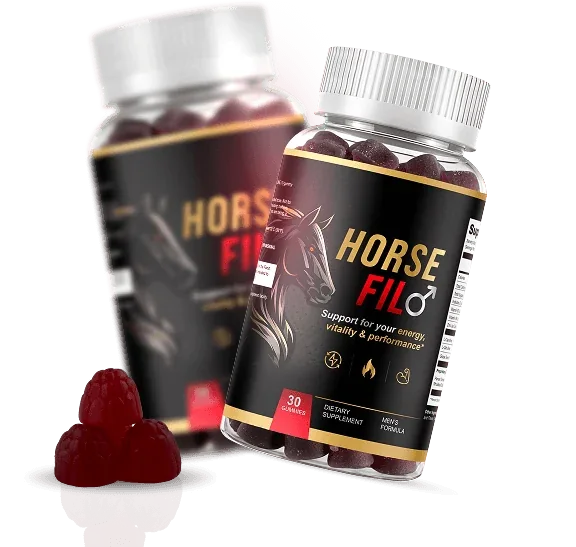
HorseFil is not a Tongkat Ali product — it is a once-daily men's energy and vitality gummy built around named botanicals and amino acids like panax ginseng, maca, rhodiola, L-citrulline and L-carnitine, with no hormone and no stimulant. What it shares with a good Tongkat Ali supplement is the standard that matters: a transparent, disclosed-dose panel instead of a hidden blend. See the current formula and check it for yourself at the official store.
See the Official HorseFil StoreHow long it takes and how it feels
Tongkat Ali is not a pre-workout; you should not expect to feel it in an hour. In the trials, benefits to testosterone, stress markers and wellbeing accumulated over weeks, and several studies ran for a full three months. A realistic window is four to twelve weeks of consistent daily use before you decide whether it is doing anything for you. Anything you notice in the first few days is far more likely to be expectation than pharmacology — the same placebo effect that keeps the whole category profitable.
One of the more interesting threads in the research is cortisol. Some studies reported reduced cortisol and improved stress and tension scores alongside the hormonal changes. That matters because chronic stress and elevated cortisol themselves suppress testosterone, so part of Tongkat Ali's effect may be indirect — taking pressure off the system rather than forcing it. For a stressed, under-slept man, that mechanism is arguably more relevant than the headline testosterone number, and it fits with why users often describe the experience as feeling steadier rather than supercharged.
Set expectations accordingly. The honest promise is a modest improvement in how the weeks feel — energy, drive, resilience — layered on top of the basics, not a transformation and not a substitute for them. If your sleep, training and body composition are a mess, fix those first; a supportive extract cannot outrun five hours of sleep a night.
Is Tongkat Ali safe to take daily?
In the published trials, standardised Tongkat Ali at 200 to 400mg per day was generally well tolerated in healthy adults. The side effects that do get reported are mostly mild: some people notice lighter or more restless sleep, and a few report a slightly raised heart rate, which is part of why taking it earlier in the day rather than at night is a common, sensible choice. These are not universal, but they are worth knowing before you start.
"Generally well tolerated" is not the same as "risk-free," and a few honest limits apply. Long-term, high-dose safety data is limited, which is another reason to stay at the studied dose rather than stacking more. Product quality varies widely, so third-party testing genuinely matters here — contamination has been a documented problem with poorly sourced botanicals. And Tongkat Ali may interact with medications or existing conditions, so anyone taking prescription drugs, managing a health condition, or with hormone-sensitive concerns should talk to a doctor or pharmacist before starting. None of this is exotic caution; it is the same due diligence any daily supplement deserves.
Tongkat Ali versus Fadogia Agrestis
The comparison comes up constantly, usually because the two get stacked together in aggressive "test booster" products, so it is worth settling plainly. The two are not on equal footing when it comes to evidence.
| Factor | Tongkat Ali | Fadogia Agrestis |
|---|---|---|
| Human evidence | Several RCTs plus a 2022 meta-analysis | Mainly animal studies; little human data |
| Studied dose | Clear: 200–400mg standardised | Unclear; no established human dose |
| Safety data | Generally well tolerated in trials | Limited; organ-safety questions in animals |
| Verdict | The more defensible choice | Closer to self-experimentation |
Fadogia Agrestis has become popular largely through podcasts and anecdote, but the human evidence has not caught up to the enthusiasm, and some animal work has raised organ-safety questions that no human trial has yet cleared. On the current science, Tongkat Ali is simply the better-supported option, and Fadogia is closer to running an experiment on yourself. When the data is this lopsided, the responsible pick is the one with human trials behind it.
Where HorseFil fits — honestly
It would be easy, and dishonest, to pretend HorseFil is a Tongkat Ali product riding this evidence. It is not, and we will not imply otherwise. HorseFil is a once-daily men's energy and vitality gummy built around a different, disclosed set of ingredients — panax ginseng, maca, rhodiola, L-citrulline and L-carnitine — chosen for steady daily energy, stamina and stress tolerance rather than sold as a hormone play. If you specifically want a Tongkat Ali product, buy one that discloses 200 to 400mg of a standardised extract and is third-party tested; that is the honest advice this evidence points to.
What HorseFil takes from everything above is the standard, not the ingredient. The reason Tongkat Ali is worth respecting is that it was studied at a defined, disclosed dose — and that is exactly how a men's formula should present every ingredient it contains, hormone-adjacent or not. Because formulas change, the honest move is to read the current HorseFil ingredient list and judge it the way this article taught you to judge a Tongkat Ali label: standardised, disclosed, sensibly dosed, and honestly claimed. And if you want the bigger picture of the levers that move testosterone beyond any single extract, our overview of natural ways to increase testosterone puts supplements in their realistic place.
Frequently asked questions
How much Tongkat Ali should I take for testosterone?
Most positive human trials used 200 to 400mg per day of a standardised water-based extract, often noted as a 100:1 concentration. That range is the practical target: enough to match the studies, without straying into unstudied high doses. Take it consistently once a day, and choose a product that discloses the milligram amount rather than hiding it inside a proprietary blend.
How long does Tongkat Ali take to work?
Plan on four to twelve weeks of daily use before judging it. In the trials, effects on testosterone, stress markers and wellbeing built up over weeks rather than days, and some studies ran for a full three months. Anything you notice in the first few days is more likely expectation than the extract. Give it a fair, consistent trial before deciding whether it earns a place.
Is Tongkat Ali safe to take daily?
In the published trials, standardised Tongkat Ali at 200 to 400mg per day was generally well tolerated in healthy adults, with mild reported effects such as lighter sleep or a slightly raised heart rate in some people. It is not risk-free: quality varies between products, it may interact with medications, and long-term high-dose data is limited. Use a tested product at the studied dose and check with a doctor first if you take medication.
Tongkat Ali vs Fadogia Agrestis: which is better?
Tongkat Ali has far more human evidence. It has several published randomised controlled trials and a 2022 meta-analysis behind it, whereas Fadogia Agrestis rests mainly on animal studies with little human safety or efficacy data. On the current evidence, Tongkat Ali is the more defensible choice; Fadogia is closer to an experiment you would be running on yourself.
Where to check this
- PubMed — meta-analysis of Tongkat Ali (Eurycoma longifolia) and testosterone
- PubMed — randomised controlled trials of Tongkat Ali in men
- PubMed — Tongkat Ali, cortisol and stress markers
- PubMed — Fadogia Agrestis research to date
- NIH NCCIH — herbs and botanicals at a glance
These are standing reference resources rather than citations of single trials. We link to the bodies that maintain the evidence summaries so you can check the current position yourself.
Related reading
Hold every ingredient to the same standard
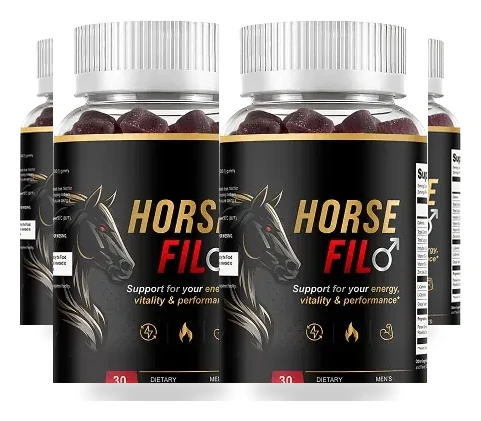
Studied dose, disclosed on the label, honestly claimed — that is what makes Tongkat Ali worth respecting, and it is the bar HorseFil is built to meet with its own ingredients. See the current panel, pricing and satisfaction guarantee at the official store.
Go to the Official HorseFil Store