Best Testosterone Booster 2026: A Buyer's Guide to What Actually Holds Up
Nearly every bottle on the shelf promises the same thing. Almost none of them can show their work. Here is how to read a label like a skeptic in 2026 — and buy on evidence, not on the size of the promise.
Quick answer: what makes the best testosterone booster in 2026?
The best testosterone booster in 2026 discloses every ingredient at a clinically studied dose, skips proprietary blends, and carries third-party or GMP verification. A long label and confident marketing prove nothing on their own. Buy on readable doses, sensible ingredients and honest claims — the three things hype is designed to hide.
- Look for: named extracts at disclosed milligrams, third-party or GMP testing, and a clear returns policy.
- Favour ingredients with data: tongkat ali 200–400mg, ashwagandha 300–600mg, vitamin D 3000–5000 IU, zinc around 30mg.
- Walk away from: proprietary blends, tribulus, and any product that claims to treat, cure or reverse a medical condition.
What people really mean by the best testosterone booster
Type best testosterone booster into any search box and you will get a wall of confident rankings, most of them written by whoever is paid the most to place a product at the top. That is the first thing to understand about this category in 2026: the loudest recommendations are usually the least independent. A genuinely useful shortlist starts from the opposite instinct — distrust the promise, and go looking for the evidence behind it.
The honest version of the question is narrower than the marketing wants it to be. Almost nobody searching has a recent blood panel in hand. What they have is a set of symptoms — flat afternoons, softer workouts, a body that gains weight more willingly than it loses it — and a reasonable hunch that a hormone is involved. Sometimes it is. Often the same symptoms trace back to short sleep, stress, excess body fat or low activity. So the useful buying question is not "which pill has the biggest claim," but "which product is transparent enough that I can judge what it is actually likely to do."
That reframing matters because the numbers behind the category are unflattering. A widely cited review from researchers at the USC Keck School of Medicine examined over-the-counter testosterone supplements and found that roughly 90 percent claimed to raise testosterone, while fewer than a quarter had any published data to support the claim. Read that twice. The default state of a shelf product is a hormone promise with nothing behind it. The best testosterone booster, then, is defined less by a magic ingredient and more by being one of the honest minority.
The four ingredients worth paying for
Strip away the pixie dust and a short list of ingredients survives contact with human trials. These are the ones a 2026 shortlist should be built around, and crucially, each has a dose range that means something.
Tongkat ali (200–400mg standardised extract). This is the most-studied natural ingredient in the space, with several randomised controlled trials and a 2022 meta-analysis pointing to real, if modest, effects on testosterone and related markers in both healthy and lower-testosterone men. It is the closest thing the category has to a defensible headline ingredient. We break down the trials and the dosing in detail in our guide to Tongkat Ali evidence and dosage for testosterone.
Ashwagandha (300–600mg). Better known as a stress and sleep adaptogen, ashwagandha has some human data on testosterone and semen parameters in stressed or subfertile men, and stronger data on perceived stress and recovery. Since stress and poor sleep themselves suppress hormone production, the indirect route is plausible and the direct route is at least studied.
Vitamin D (3000–5000 IU, if you are low). Vitamin D behaves more like a hormone than a vitamin, and correcting a genuine deficiency supports normal endocrine function. The key qualifier is "if you are low" — topping up an already-adequate level does very little, which is exactly the nuance the marketing skips.
Zinc (around 30mg). Zinc is directly involved in normal testosterone production, and a real shortfall impairs it. As with vitamin D, the benefit is about repletion, not megadosing. More is not better; sufficiency is.
Notice the pattern. Every ingredient here is dose-dependent, and each earns its place by correcting a shortfall or having actual trial data — not by sounding exotic. A label that lists these at readable amounts is doing something. A label that lists twelve ingredients you cannot dose is doing marketing.

Red flags: proprietary blends, tribulus and pixie-dust doses
If the ingredients above are the reasons to buy, the following are the reasons to walk away. They are more useful than any ranking, because they let you disqualify most of the shelf in seconds.
Proprietary blends. The single biggest tell. A "proprietary blend 1,200mg" line lets a brand list impressive-sounding ingredients without telling you how much of each you are getting. It is almost always a way to sprinkle a trace of the expensive, well-known ingredient on top of cheap fillers. If you cannot read the milligrams, you cannot know you are getting a clinical dose, which means you are buying on faith.
Tribulus terrestris. A category staple that tests badly. A frequently cited 2014 review concluded that tribulus did not increase testosterone despite its long-standing reputation as a booster. It persists on labels because it is cheap and its name has marketing momentum, not because the evidence supports it. Its presence as a "hero" ingredient is a sign the formula was built for the shelf, not the study.
Pixie-dust dosing. Even good ingredients fail if they are underdosed. A formula might proudly list tongkat ali, then include 50mg where the studies used 200–400mg. This is where disclosed doses earn their keep: they turn "contains tongkat ali" into "contains a dose that has actually been tested." We unpack the label-reading skill further in our explainer on what a natural testosterone booster label should actually show you.
Disease claims. Any supplement that tells you it treats, cures, reverses or prevents low testosterone, hypogonadism or any medical condition is making a claim no legal dietary supplement can make. It is a red flag about the whole company's honesty, not just that one sentence.
Applying the checklist to a real product
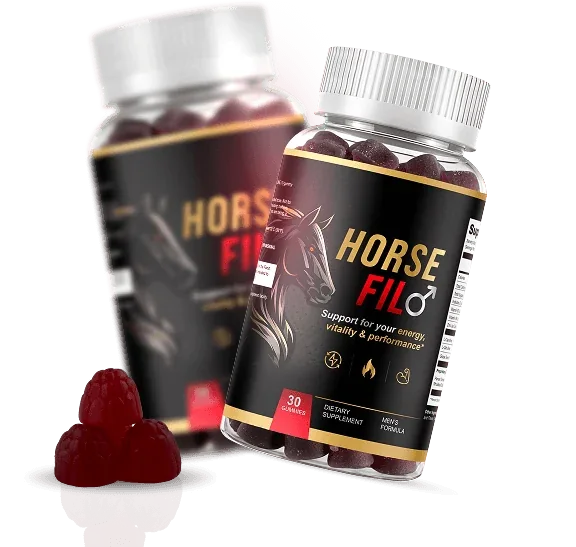
HorseFil is a once-daily men's energy and vitality gummy — named botanicals and amino acids, no hormone, no prescription, no stimulant. It is built on the transparent-label principles in this guide: disclosed ingredients, no hidden proprietary blend, and a published panel. If you want to check the current formula and offer against the checklist above, the official store lists both.
See the Official HorseFil StoreA scoring grid for your 2026 shortlist
Rankings age badly because formulas and offers change. A scoring grid does not, because it tests the qualities that make any product worth buying. Run every candidate through the same five columns and let the transparent products rise to the top on their own.
| What to check | Green flag | Red flag |
|---|---|---|
| Ingredient disclosure | Every item at a named milligram amount | "Proprietary blend" with a single total weight |
| Dosing | Key ingredients hit studied ranges | Trace amounts below any tested dose |
| Evidence base | Ingredients with human trial support | Tribulus or exotic names as the headline |
| Testing | Third-party tested and GMP certified | No manufacturing or testing detail at all |
| Claims and guarantee | Honest language and a real refund window | Disease claims, "miracle" language, no returns |
A product that clears all five is rare, and it will not always be the cheapest or the most heavily advertised. That is the point. The best testosterone booster on this framework is the one that leaves you nothing to take on faith.
What a quality booster should cost per month
Price is where buyers most often misjudge value in both directions. Rock-bottom products are cheap for a reason: the doses are usually cut, or hidden inside a blend so you cannot tell. At the other extreme, some premium brands charge a large multiple of their ingredient cost and spend the difference on influencers. Neither the cheapest nor the priciest bottle is automatically the best.
As a rough anchor for 2026, a transparent, sensibly dosed men's formula tends to land somewhere in the region of 30 to 70 dollars a month, with multi-bottle bundles pulling the effective monthly figure down. The right way to read a price is per disclosed dose, not per bottle: a slightly pricier product that actually hits studied ranges can be better value than a bargain that quietly underdoses everything. We go deeper on this in our breakdown of what a testosterone booster should cost per month.
Two practical rules keep you out of trouble. First, let the guarantee carry some of the risk — a genuine multi-week satisfaction window means the company expects you to keep buying because it worked, not because you forgot to cancel. Second, ignore the single-bottle vanity price and calculate the cost of the supply you would actually run: most people who benefit from a daily formula take it for a few months, so the bundle economics are what matter.
Where HorseFil fits in an evidence-first shortlist
HorseFil is not sold as a hormone, and this guide will not pretend it is one. It is a once-daily gummy built around named botanicals and amino acids — panax ginseng, maca, rhodiola, L-citrulline and L-carnitine — chosen for steady daily energy, stamina and stress tolerance rather than for a dramatic move on a lab number. That is a narrower, more honest promise than most of the shelf makes, and it is deliberately so.
What lets it onto an evidence-first shortlist is not a miracle ingredient; it is the way it is presented. The formula is a transparent, named-ingredient panel rather than a proprietary blend, it is produced to the manufacturing standards buyers should demand, and it carries a satisfaction guarantee. Because ingredients and amounts change over time, we deliberately do not print a fixed panel here — the honest move is to read the current HorseFil ingredient list and check it against the five-column grid above before you buy. If it clears your checklist, it belongs on your shortlist. If a future version does not, the checklist tells you that too, which is exactly what a buyer's guide is for.
Frequently asked questions
What makes a testosterone booster the best in 2026?
The best testosterone booster in 2026 is the one that lists every ingredient at a disclosed, clinically studied amount, avoids proprietary blends, and carries third-party or GMP verification. Marketing language and a long ingredient list mean nothing without doses you can read and check. Transparency, sensible dosing and honest claims separate a serious product from a hopeful one.
Do any testosterone boosters actually raise testosterone?
Some ingredients have real human data and many do not. A USC Keck review found roughly 90 percent of over-the-counter boosters claim to raise testosterone while fewer than 25 percent had supporting evidence. Tongkat ali, and correcting a genuine vitamin D or zinc shortfall, have the most credible support; most of the category shows small, inconsistent or absent effects in men who are not deficient.
Which ingredients should a top booster contain?
Favour a short list of clinically dosed ingredients: tongkat ali 200 to 400mg of a standardised extract, ashwagandha 300 to 600mg, vitamin D 3000 to 5000 IU where intake is low, and zinc around 30mg. Avoid tribulus, which a 2014 review found did not raise testosterone, and avoid anything buried inside an undisclosed proprietary blend.
How much should a quality booster cost per month?
Most transparent, clinically dosed formulas land somewhere around 30 to 70 dollars a month, with multi-bottle bundles lowering the monthly figure. Far cheaper products usually cut doses or hide them in a blend; far pricier ones are often paying for marketing rather than milligrams. Judge value by the disclosed doses and the guarantee, not by the sticker price alone.
Where to check this
- PubMed — reviews of over-the-counter testosterone supplement claims versus evidence
- PubMed — randomised trials and meta-analysis of Tongkat Ali (Eurycoma longifolia) and testosterone
- NIH Office of Dietary Supplements — Vitamin D fact sheet for health professionals
- NIH Office of Dietary Supplements — Zinc fact sheet for health professionals
- PubMed — reviews of Tribulus terrestris and testosterone
These are standing reference resources rather than citations of single trials. We link to the bodies that maintain the evidence summaries so you can check the current position yourself.
Related reading
Buy on evidence, not on the promise
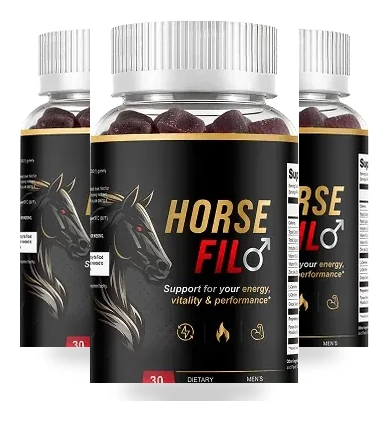
A transparent label, named ingredients and a real satisfaction window — that is the whole checklist. If HorseFil clears yours, the official store has the current panel, the current pricing and the guarantee in one place.
Go to the Official HorseFil Store