Testosterone Booster Cost Per Month, Explained
Testosterone booster cost is easy to get wrong: the headline price on the bottle tells you almost nothing. What matters is the cost per clinically dosed serving, whether the label hides its amounts, and whether the checkout quietly signs you up for a recurring charge. Here is how to work out a fair monthly figure and stop overpaying.
How much do testosterone boosters cost per month?
Most quality testosterone boosters cost roughly thirty to seventy dollars per month. The right figure is not the cheapest sticker price but the cost per clinically dosed serving of named ingredients. Below that range products are usually underdosed; well above it, you are often paying for marketing rather than better ingredients.
- Fair range: around $30–$70 per month for a transparent formula at sensible doses.
- The number that matters: cost per clinically dosed serving, not price per bottle.
- Budget the trial, not the bottle: plan a two-to-three-month supply, because results take eight to twelve weeks to judge.
What a testosterone booster costs, and why the range is so wide
Ask what a testosterone booster costs and the honest answer is a range: roughly thirty to seventy dollars a month for something worth taking. That spread looks vague until you understand what drives it. At the bottom sit products stuffed with cheap, high-volume ingredients — a little zinc, a lot of filler, a proprietary blend that hides how thin the useful part is. At the top sit premium-priced formulas that sometimes justify the number with genuinely dosed, well-chosen ingredients and sometimes just charge more for a nicer label and a bigger advertising budget. Price alone does not tell you which is which.
That is the core problem this article solves. A number on a bottle is not a value judgement; it is an input. To turn it into a decision you need to know what the number buys — how many servings, at what doses, of which named ingredients, under what billing terms. Do that and the whole category becomes legible. Skip it and you are choosing on packaging.
Why cost per bottle is the wrong number
The single most useful move in supplement shopping is to stop comparing prices per bottle and start comparing cost per clinically dosed serving. Two products at the same shelf price can be wildly different value if one delivers a sensible daily dose and the other delivers a token sprinkle. The arithmetic is simple: take the price, divide by the number of servings in the container, and then ask the harder question — is each serving actually dosed at an amount the evidence supports, or just enough to list the ingredient on the label?
This is where "cheap" and "value" part ways. A twenty-dollar bottle that lasts a month but underdoses everything in it is not cheaper than a forty-dollar bottle that delivers real amounts; it is more expensive per unit of anything useful, because you are paying for servings that do little. Cost per effective serving is the metric that survives contact with reality. If you want the full framework for reading a label this way, our guide to what to look for in a natural testosterone booster breaks down doses, blends and red flags in detail.
Value at clinically sensible doses
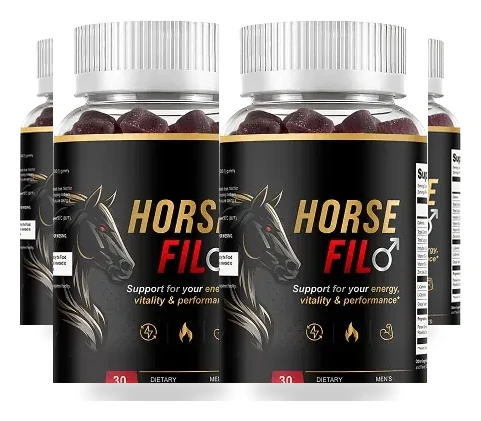
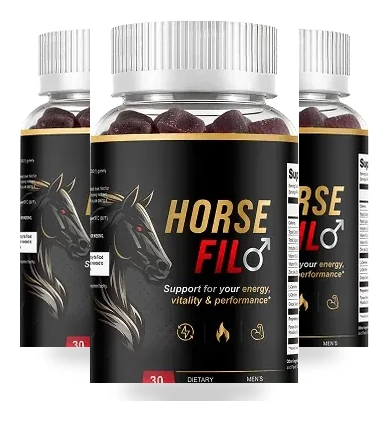
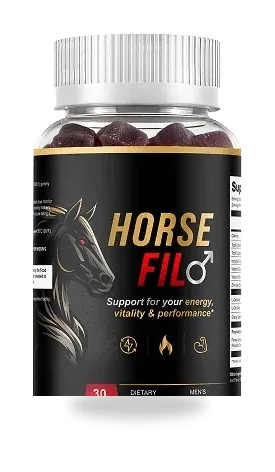
HorseFil is a once-daily men's energy and vitality gummy with a named ingredient list — no hidden proprietary blend, no hormone, no prescription drug. Because the amounts are disclosed, you can do the cost-per-serving maths yourself instead of guessing. The official store shows the current bundles and the current offer so you can compare the monthly figure against what you are actually getting.
See the Official HorseFil StoreCheap is not value when the formula is underdosed
Underdosing is the quiet way a cheap product stays cheap. The most common tactic is the proprietary blend: instead of telling you it contains, say, six hundred milligrams of one ingredient and twenty of the next, the label lists a single blended total and hides the split. That total can be almost entirely the cheapest filler, with a fairy-dusting of the ingredient the product is named after. You cannot compute cost per effective serving on a blend like that, which is precisely the point — opacity is a pricing strategy.
The tell is always transparency. A formula that discloses each ingredient at a named amount is inviting the comparison; a formula that hides behind a blend is avoiding it. When you cannot see the doses, assume the worst about them, because a manufacturer proud of its amounts prints them. Cheap-and-hidden is the worst quadrant to buy from; the money is small but the value is close to zero.
The subscription and auto-ship trap
The second way men overpay is not the price at all — it is the billing. A large share of supplement checkouts are built around auto-ship: a low first-month price, or a "free trial," that quietly converts into a recurring charge you did not clearly agree to. The cancellation path is often deliberately awkward, and by the time you notice, two or three bottles have already shipped and billed. The headline price looked great; the real annual cost did not.
Protect yourself with three habits. First, read the checkout copy before you pay — look specifically for the words auto-ship, subscription, recurring, renews, and trial, and for the cancellation terms. Second, prefer a straightforward one-time multi-bottle purchase over an open-ended subscription; you get the bundle discount without the recurring liability. Third, screenshot the order confirmation and keep the email, so that if you do need to cancel or claim a guarantee you have the terms in hand. Buying from the official store rather than a random marketplace listing is part of this too, because the terms and the returns policy are clear.
The cheapest first month is often the most expensive year. Price the whole plan you actually intend to run, including the months an auto-ship would bill you whether you wanted them or not.
How many months to budget for
Cost per month only makes sense once you know how many months you need, and the answer is set by biology, not by the discount table. The honest window to judge a testosterone booster is eight to twelve weeks of consistent daily use: nutrient repletion takes several weeks, adaptogen trials typically run one to three months, and anything you notice in the first few days is expectation rather than pharmacology. A single bottle rarely covers that window, which means a one-bottle purchase almost guarantees you stop before you have learned anything.
So budget a two-to-three-month supply from the outset. This lines up neatly with reality in two ways: it matches the trial period, and multi-month bundles usually carry the lowest cost per serving anyway, so the amount that actually tests the product is often the amount that is best value per dose. Just resist buying six months of something you have never taken — match the purchase to the trial, prove it works for you, and only then buy in bulk. If you want a week-by-week sense of what that trial should feel like, our walkthrough of which men's-formula ingredients actually do something pairs well with this on the "is it worth the money" question.
Putting it together: what fair value looks like
The table below turns the whole discussion into a scan test you can run on any product page in a minute. It is deliberately qualitative, because the exact right price depends on the ingredients and doses in front of you — but the logic holds across the category.
| What you see | What it usually means | Value read |
|---|---|---|
| Named ingredients at disclosed doses | You can compute cost per effective serving | Good sign |
| Proprietary blend, no split shown | Doses hidden; often mostly filler | Avoid |
| Well below $30/month | Usually underdosed or padded | Cheap, not value |
| $30–$70/month, transparent label | Typical fair range for a real formula | Reasonable |
| Far above $70/month | Often marketing, not better ingredients | Check the doses |
| Low first month, auto-renews | Subscription trap; true cost is higher | Read terms first |
| Multi-bottle one-time bundle | Lower cost per serving, no recurring risk | Usually best value |
Read the value column top to bottom and the rule writes itself: transparency and sensible doses at a fair monthly figure beat both the suspiciously cheap and the needlessly premium. The best value is almost never the lowest sticker price.
Common objections about price, answered
"Isn't the expensive one just better?" Not reliably. Price correlates with margin at least as much as with quality. An expensive product hiding its doses in a blend can be worse value than a mid-priced one that discloses everything. Judge the doses, then the price — never the reverse.
"Can't I just buy the cheapest and see?" You can, but you will usually be testing an underdosed formula for too short a time and concluding the category does nothing, when what did nothing was that specific bottle. Cheap-and-brief is how people talk themselves out of a fair trial.
"Why not subscribe and save?" Subscriptions can be fine if the terms are clear and you actually want ongoing supply, but they are the number-one source of accidental overspending in this market. A one-time multi-bottle order captures most of the discount with none of the recurring risk. If you decide you want to keep taking it, subscribe deliberately — not because a checkbox was pre-ticked.
Frequently asked questions
How much do testosterone boosters cost per month?
Most quality testosterone boosters run roughly thirty to seventy dollars per month, depending on the ingredients, the doses, and whether you buy a single bottle or a multi-month bundle. Anything far below that range is usually underdosed or padded with cheap filler, and anything far above it is often paying for marketing rather than better ingredients. The right number is the one that buys clinically sensible doses of ingredients you can actually name.
Are expensive testosterone boosters worth it?
Not automatically. Price only matters relative to what is in the bottle. An expensive product with a hidden proprietary blend can be worse value than a cheaper one that discloses clinically sensible doses of named ingredients. Work out the cost per properly dosed serving rather than the headline price, and judge value on transparency and dose, not on how premium the label looks.
How do I avoid supplement subscription traps?
Read the checkout before you pay. Look for language about auto-ship, recurring billing, free-trial conversions, and cancellation terms, and screenshot the order confirmation. Prefer a straightforward one-time multi-bottle purchase over an open-ended subscription, use the official store so the terms are clear, and keep the confirmation email in case you need to cancel or claim the guarantee.
How many months should I buy to see results?
Budget a two-to-three-month supply, because the honest window to judge a testosterone booster is eight to twelve weeks of consistent daily use. A single bottle rarely lasts long enough to tell you anything, and multi-month bundles usually lower the cost per serving anyway. Buy the amount that matches the trial period rather than the amount that looks cheapest per bottle on day one.
Where to check this
- FTC Consumer Advice — Negative-option and subscription billing, what to know
- NIH Office of Dietary Supplements — Dietary supplements, what you need to know
- U.S. FDA — Questions and answers on dietary supplements
- FTC — Health products compliance guidance for advertisers
These are standing reference resources rather than citations of single trials. We link to the bodies that maintain the guidance so you can check the current position yourself. Cost ranges are general market figures, not a HorseFil price — confirm any price on the official checkout.
Pay for doses, not for packaging
A named ingredient list, disclosed amounts, and a sixty-day satisfaction promise — the things that let you judge a monthly cost honestly instead of guessing. If you want to run the cost-per-serving maths on a transparent formula, the official store has the current bundles and offer.
Go to the Official HorseFil Store