Blood Sugar Balance Herbal Supplement: Bitter Melon and Banaba Leaf
Two plants with long traditional histories, a great deal of laboratory work, and a human evidence base far thinner than the labels suggest. Here is what each one is actually built on.
Quick answer: what does the evidence show for bitter melon and banaba?
Both are common in any blood sugar balance herbal supplement, and both rest on far more laboratory work than human work. Bitter melon has been tested in people several times with results that do not line up: some small trials reported modest changes in glucose markers, others found nothing distinguishable from placebo, and the preparations differed so much that pooling them means little. Banaba leaf, standardised for its corosolic acid content, has a smaller human literature still, with promising cell and animal data behind it and only a handful of short studies in people.
- Bitter melon: plausible mechanisms, several human trials, inconsistent results, and no agreement on which preparation or amount to use.
- Banaba leaf: corosolic acid moves glucose transporters in laboratory models; the human work is small, short and preliminary.
- Both: may add to the effect of prescribed glucose-lowering medicine, which is a reason to involve a pharmacist before starting.
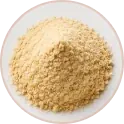
Two plants, two very different literatures
Bitter melon is Momordica charantia, a warty gourd eaten as a vegetable across South Asia, China, the Caribbean and East Africa, and used in several traditional systems for complaints involving thirst and urination long before anyone could measure blood glucose. Its familiarity as food is part of its appeal: this is not an obscure extract but a plant many people have eaten in a curry.
Banaba is Lagerstroemia speciosa, a flowering tree of Southeast Asia whose leaves are brewed traditionally in the Philippines. It reaches the supplement shelf almost exclusively as an extract standardised to a stated percentage of corosolic acid, usually one per cent, occasionally more.
The distinction that matters is not tradition but volume of human testing. Bitter melon has been through a reasonable number of small clinical studies. Banaba has been through very few. Both have generated a large amount of laboratory and animal work, which is where the enthusiasm comes from and where it should stay until people have been studied properly.
Bitter melon: mechanism, trials and the inconsistency problem
The plant contains several groups of compounds that do something interesting in a dish or a rodent: charantin, a family of cucurbitane triterpenoids, and a protein sometimes called polypeptide-p that has been described as insulin-like. Laboratory work suggests effects on glucose uptake into cells and on enzymes involved in carbohydrate handling. As mechanisms go, these are respectable starting points.
The human record is where it gets complicated. Trials have used the fresh fruit, the juice, dried powder, seed preparations and various extracts, at widely different amounts, in different populations, for periods usually measured in weeks. Some reported small improvements in fasting glucose or the three-month marker. Others found no meaningful difference from placebo. Studies that compared bitter melon with a standard glucose-lowering medicine generally found the medicine did considerably more.
When results scatter like that, there are two honest interpretations, and responsible summaries hold both: the effect may be small enough that small studies cannot see it reliably, or the differences between preparations may mean the trials were never testing the same thing. Federal evidence summaries in the United States land on much the same position — there is not enough good evidence to say bitter melon is helpful for blood glucose in people.
A plant is not an ingredient. Fresh fruit, dried powder, an ethanol extract and a water extract of the same species can behave like four different substances — which is why “bitter melon works” is not a sentence the evidence supports or refutes as written.
Banaba leaf and corosolic acid
Banaba's story runs through a single named compound. Corosolic acid is a triterpene shown in cell and animal models to encourage the movement of GLUT4 glucose transporters to the cell surface, which is roughly what insulin signalling does when it prompts a muscle cell to take up glucose. It has been nicknamed a plant insulin on that basis, which is marketing rather than pharmacology.
The human work is genuinely small: a handful of short studies, mostly with modest participant numbers, some using standardised leaf extract and some using purified corosolic acid, several looking at glucose over the hours after a test meal rather than at long-term markers. A few reported reductions; the body of work is too small and too varied to draw a confident conclusion, and long-term safety data in people is correspondingly thin.
Standardisation at least makes banaba comparable across products in a way bitter melon is not. An extract declared at one per cent corosolic acid and dosed at 48 mg delivers a knowable amount of the marker compound. Whether that amount does anything useful is precisely the question the human literature has not yet answered.
A formula that names its botanicals
HorseFil takes the adaptogen route rather than the glucose route — panax ginseng, maca and rhodiola alongside L-carnitine and L-citrulline, in a once-daily gummy with no caffeine. The store lists every named ingredient and the current price.
See the Official HorseFil StoreWhat a blood sugar balance herbal supplement can honestly claim
This is the part most pages skip. In the United States a dietary supplement may describe support for the structure or function of the body — supporting glucose metabolism already within a normal range, for instance — but it may not claim to treat, manage, prevent or reverse a disease. Diabetes is a disease. So any product implying it manages diabetes has crossed a line that exists for a reason, and the implication is usually carried by imagery and adjacent text rather than by a sentence anyone would have to defend.
Read against that standard, a blood sugar balance herbal supplement built on bitter melon and banaba is selling traditional use plus laboratory plausibility. That is not nothing. It is also not a result. Anyone searching for the best herbal supplement for blood sugar is choosing between products whose distinguishing features are extraction quality, standardisation and transparency about amounts — not between competing bodies of proof, because those bodies of proof mostly do not exist yet.
Six botanicals compared on evidence, not on marketing
Here is how the common herbal entries in this category actually stand, using the amounts that appear in published human work rather than the ones that appear on labels.
| Botanical | Usual preparation | Amount used in human studies | Strength of human evidence |
|---|---|---|---|
| Bitter melon (Momordica charantia) | Fruit, juice, dried powder or extract | Highly variable; extracts often around 2 g daily | Several small trials, results inconsistent, preparations not comparable |
| Banaba leaf (Lagerstroemia speciosa) | Leaf extract standardised to corosolic acid, commonly 1% | Roughly 32–48 mg of standardised extract | Very limited: a handful of small, short studies |
| Gymnema (Gymnema sylvestre) | Leaf extract, sometimes standardised to gymnemic acids | Commonly 200–400 mg of extract | Small and largely older studies; the sweet-taste blocking effect is easier to verify than the metabolic one |
| Cinnamon (cassia or Ceylon) | Bark powder or aqueous extract | Roughly 1–6 g daily | Mixed and inconsistent; cassia carries a coumarin caution at high daily intakes |
| Fenugreek | Seed powder, defatted seed or extract | Often 5–10 g of seed powder daily | Some supportive small trials; much of the effect may be the soluble fibre content |
| Berberine (from barberry, goldenseal and others) | Isolated alkaloid | Commonly 500 mg two or three times daily | Strongest signal of this group, but variable study quality, digestive side effects and serious drug interactions |
Two things stand out. The ingredient with the clearest human signal, berberine, is also the one with the most serious interaction profile — it inhibits enzymes that metabolise other medicines, so it is the least casual thing on the list. And the two headline botanicals in this article sit in the weakest rows, which is worth remembering when a product built on them is presented as the best blood sugar balance supplement available.
How these compare with the botanicals men are already taking
Readers of this site tend to arrive already taking something: ginseng, maca or rhodiola, usually inside a men's energy formula. It is a fair question whether those overlap with the glucose category, and the answer is mostly no.
Panax ginseng is the only one with a real glucose literature, and it is small, short and complicated by the fact that ginseng preparations differ enormously in ginsenoside profile. Maca is studied mainly for mood, energy perception and sexual function, with a modest evidence base and essentially nothing to say about glucose. Rhodiola has the most credible fatigue research of the three and no meaningful glucose research at all.
So stacking an energy formula on a glucose formula is not doubling up on a mechanism — it is buying two different things. That is fine, as long as you know which one you are paying for, and as long as somebody checks the combined list for interactions.

Standardisation and quality: why “500 mg herb” tells you almost nothing
A milligram figure next to a plant name describes the weight of material in the capsule and nothing about what is in that material. Growing conditions, harvest timing, which part of the plant was used, the solvent, the extraction temperature and the concentration ratio all change the chemistry. Two products both declaring 500 mg of bitter melon can differ by a wide margin in the compounds people care about.
Three things make a label more informative. A named plant part, so you know whether it is fruit, leaf or seed. A standardisation statement naming the marker compound and its percentage. And third-party testing for identity, potency and contaminants, which matters more for botanicals than for most categories — imported herbal products have been found adulterated with undeclared pharmaceuticals often enough that testing is a reasonable thing to insist on, particularly for anything sold specifically for glucose.
Safety, interactions and who should be careful
Bitter melon as food is well tolerated by most people. As a concentrated supplement it commonly causes abdominal pain and diarrhoea. The seeds contain vicine, and cases of a favism-like reaction have been described in susceptible individuals, particularly children given seed preparations. It is traditionally used to bring on menstruation and is not appropriate in pregnancy. Because it may lower glucose, it can add to the effect of insulin or oral glucose-lowering medicines.
Banaba has limited long-term safety data in people, which is a statement about missing information rather than about known harm. The same additive caution applies to anyone on glucose-lowering medication.
For both, the practical rule is the same one that applies to the whole category: bring the supplement facts panel to a pharmacist alongside your current medicine list before starting, and never treat a supplement as a reason to alter a prescribed dose. If you are having surgery, mention any glucose-affecting supplement in advance, since these are usually stopped beforehand.
What these herbs cannot do
They cannot treat, cure, prevent or reverse diabetes or any other disease, and nothing sold as a dietary supplement may be marketed as though they can.
They cannot substitute for prescribed medicine, and no result from a supplement justifies changing a prescription. That decision belongs to the prescriber, informed by measurements.
They cannot deliver a knowable dose from an unstandardised label. Where a product names a plant and a weight and nothing else, the amount of active chemistry you are getting is genuinely unknown.
They cannot outweigh the meal. What and how much you eat moves post-meal glucose far more than any capsule taken beside it, and any honest page in this category says so early.
And they cannot be assessed in a fortnight. The studies worth citing ran for weeks to months, so a fair personal trial runs on the same clock, with a written record rather than an impression.
The verdict, stated plainly
Bitter melon is a food with a long history, real laboratory plausibility and a human record too inconsistent to build a purchase on. Banaba is a standardised extract with an interesting mechanism and a human record too small to build anything on yet. Neither deserves the confidence that the category's marketing routinely lends them, and neither deserves dismissal — they deserve better studies, which is a less satisfying conclusion than either side of the argument would like.
If you buy one anyway, buy the one that tells you the plant part, the standardisation and the amount, take it with the meal it is meant to influence, keep the record, and give it the two to three months the research used. For what it is worth on this site: HorseFil is an energy formula, not a glucose one, and we would rather say that than let an adjacent article imply otherwise. If you are still at the shortlisting stage, the five questions in our piece on what to ask before adding a glucose supplement will save you more money than any ingredient comparison, including this one.
Frequently asked questions
Does bitter melon lower blood sugar in people?
The human evidence is inconsistent. Some small trials reported modest changes in glucose markers, others found no difference from placebo, and studies comparing it with a standard glucose-lowering medicine generally found the medicine did considerably more. Preparations also varied widely, so the trials were not testing the same thing.
What is corosolic acid and how much is in banaba extract?
Corosolic acid is the triterpene banaba leaf is standardised for, shown in laboratory models to encourage glucose transporters to move to the cell surface. Supplements commonly use an extract standardised to one per cent corosolic acid, dosed at roughly 32 to 48 milligrams. Human studies of it are few and short.
Can these herbs be taken with diabetes medication?
Only with medical advice. Both may add to the glucose-lowering effect of insulin and oral medicines, which can push readings lower than intended. Take the supplement facts panel and your current medicine list to a pharmacist before starting, and tell your surgical team in advance if an operation is planned.
Who should avoid bitter melon supplements?
Anyone who is pregnant, since bitter melon is traditionally used to bring on menstruation. Children should not be given seed preparations, because the seeds contain vicine and a favism-like reaction has been described in susceptible individuals. Concentrated supplements also commonly cause abdominal pain and diarrhoea.
Where to check this
- National Center for Complementary and Integrative Health — Bitter Melon
- National Center for Complementary and Integrative Health — Herbs at a Glance
- PubMed — randomised trials of Momordica charantia and glycaemic control (search record)
- Mayo Clinic — Type 2 diabetes: diagnosis and treatment
- Harvard T.H. Chan School of Public Health — Vegetables and Fruits
These are standing reference resources rather than citations of single trials. We link to the bodies that maintain the evidence summaries so you can check the current position yourself.
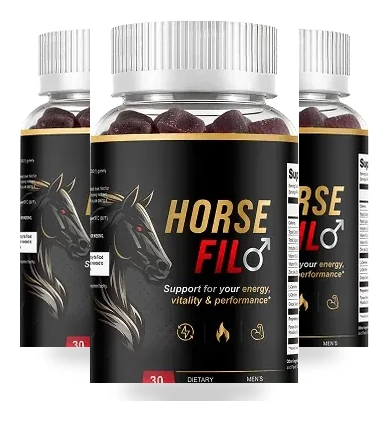
Ninety days is the unit that matters
Botanical research runs on months, not days — which is why supply length is worth more thought than the shelf figure on a single bottle. The store lists the current packs, ingredients and price.
Go to the Official HorseFil Store