Caffeine-Free Energy Supplements: What Is Left When You Take the Stimulant Out?
Strip caffeine out of an energy formula and you remove the part people can feel. What remains is metabolism and stress tolerance — slower, quieter, and judged on a completely different timescale.
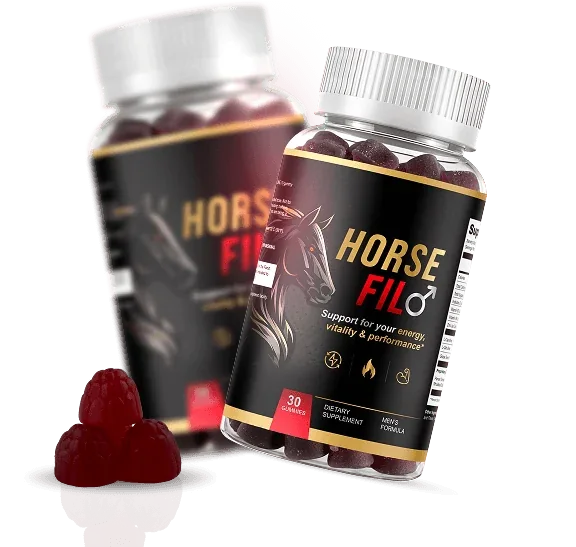
Take the caffeine out of an energy supplement and you remove the only ingredient the buyer can reliably feel. What is left has to work on a slower system, and it has to be judged on a completely different timescale. That mismatch — fast expectations, slow mechanism — is why most people who try a non-stimulant formula conclude it does nothing, usually about eleven days in.
What caffeine was actually doing
Worth being precise, because it explains what its absence costs. Caffeine does not produce energy. It blocks adenosine receptors, and adenosine is the molecule that accumulates through your waking hours and signals tiredness. Caffeine mutes the message. The fatigue it masks is still there, still accumulating, and still has to be paid down eventually — usually as an afternoon dip or, if you dose late, as worse sleep.
It is also the reason tolerance builds so quickly. Receptor density adjusts, and within a couple of weeks the same dose buys back the baseline rather than adding to it. Most habitual coffee drinkers are not getting a boost; they are avoiding withdrawal.
The three things that are left
1. Fatty-acid transport
L-carnitine's job is unglamorous and specific: it carries long-chain fatty acids across the inner mitochondrial membrane so they can be oxidised. No carnitine, no transport. The claim that follows — support for normal energy metabolism — is mechanistically fair.
The honest limits are equally specific. Healthy people who eat meat and dairy generally have adequate carnitine already, the body synthesises some of its own, and raising muscle carnitine content through supplementation is slow and does not happen easily. If it helps you, it will help quietly and over months.
2. Delivery
L-citrulline raises plasma arginine, arginine feeds nitric oxide, and nitric oxide widens blood vessels. Better delivery of oxygen and substrate to working tissue is about as close to a genuine "energy" mechanism as nutrition gets. It is also strongly dose-dependent, which matters when a product publishes no doses.
3. Stress tolerance
Adaptogens — rhodiola and panax ginseng in most formulas of this kind — are studied for how heavily sustained demand lands on you, rather than for any acute lift. Rhodiola has the most credible fatigue research of the common ones. The effect it describes is a change in your baseline, which is precisely the sort of change humans are worst at noticing in themselves.
The evaluation trap
Here is the practical failure mode. Somebody buys a non-stimulant formula, takes it for ten days while paying close attention, feels nothing dramatic, and stops. That is not a null result. It is a test that ended before any of the three mechanisms above could have produced a measurable change.
A fair trial of this kind of formula looks like eight to twelve weeks of consistent daily use, with the same dose at roughly the same time, and with something more durable than memory as the outcome — a note in a training log, a weekly one-to-ten score, anything that survives contact with recall bias. Two months later, look back at the record rather than at how you feel today.
What no formula will fix
The largest determinants of how tired you feel are sleep duration and quality, cardiovascular fitness, iron and vitamin D status, alcohol, and the sheer volume of demand you are under. A daily supplement sits several orders of magnitude below all of them. Anyone selling one as a solution to chronic exhaustion is selling the wrong thing.
And a real caution: persistent fatigue is a symptom with a differential diagnosis. Thyroid disease, anaemia, sleep apnoea, diabetes and depression all present this way, and all of them are treatable. If your tiredness is new, worsening, or accompanied by anything else — weight change, breathlessness, low mood — that is a doctor's appointment, not a shopping decision.
So is a stimulant-free formula worth buying?
It is a defensible purchase for one specific person: someone already near the ceiling on caffeine, who wants something they can take daily without touching their sleep, and who is genuinely willing to run it for two or three months before deciding. For anybody who wants to feel something on Tuesday, it is the wrong product, and no amount of marketing changes that.
If you do try one, buy the supply length that matches the timeline rather than the cheapest bottle. A thirty-day trial of a ninety-day mechanism is money spent on an answer you will not get.
Where to check this
- NIH Office of Dietary Supplements — Carnitine, Health Professional Fact Sheet (ods.od.nih.gov)
- NIH Office of Dietary Supplements — Dietary Supplements for Exercise and Athletic Performance (ods.od.nih.gov)
- National Center for Complementary and Integrative Health — Rhodiola and Asian Ginseng herb pages (nccih.nih.gov)
These are standing reference resources rather than citations of individual trials. We link you to the bodies that maintain the evidence summaries so you can check the current position yourself, rather than to a snapshot that ages.